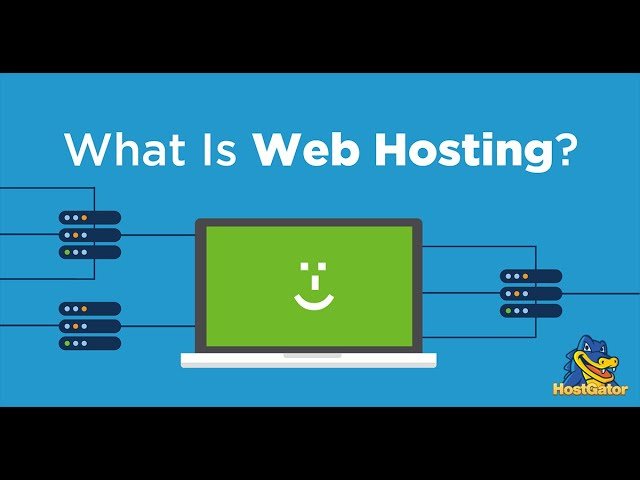
In today’s digital world, almost everything we use has an online presence. From small businesses and blogs to large companies and e-commerce stores, websites play a major role in communication, marketing, and income generation. But have you ever wondered how a website actually appears on the internet? This is where web hosting comes into the picture.
Many beginners hear the word “hosting” but don’t fully understand what it means, how it works, or why it is important. This article explains what hosting is, how it works, different types of hosting, how to buy hosting, and what its real purpose is, all in simple and clear language.
What Is Web Hosting?
Web hosting is a service that allows individuals or organizations to make their website accessible on the internet. When you create a website, it consists of files such as HTML, CSS, images, videos, and scripts. These files need to be stored somewhere so that people around the world can access them at any time. Hosting provides that storage space.
A hosting provider owns powerful computers called servers. These servers run 24/7 and are connected to the internet. When you buy hosting, you rent space on one of these servers to store your website files. Whenever someone types your website’s domain name into their browser, the browser connects to the server, and the server delivers your website to the user’s screen.
In simple words, hosting is like a home for your website, and the server is the land where that home is built.
How Web Hosting Works
To understand hosting better, let’s break the process into simple steps:
- You create a website using code or a website builder.
- You upload your website files to a hosting server.
- You connect your hosting with a domain name.
- When a user enters your domain name in a browser, the browser sends a request to the server.
- The server responds by sending your website files to the user.
- The website loads on the user’s screen.
This entire process happens within seconds. The speed and performance depend heavily on the quality of your hosting service.
Why Web Hosting Is Important
Without hosting, your website cannot exist on the internet. Hosting plays a crucial role in many areas:
1. Website Availability
A good hosting service ensures your website stays online 24/7. Poor hosting can cause frequent downtime, which leads to lost visitors and trust.
2. Website Speed
Fast hosting improves loading speed. Slow websites frustrate users and perform badly on search engines.
3. Security
Hosting providers offer security features such as firewalls, malware protection, and backups to keep your website safe.
4. Scalability
As your website grows, hosting allows you to upgrade resources like storage, bandwidth, and processing power.
5. Professional Image
Reliable hosting gives your website a professional and trustworthy appearance.
Types of Web Hosting
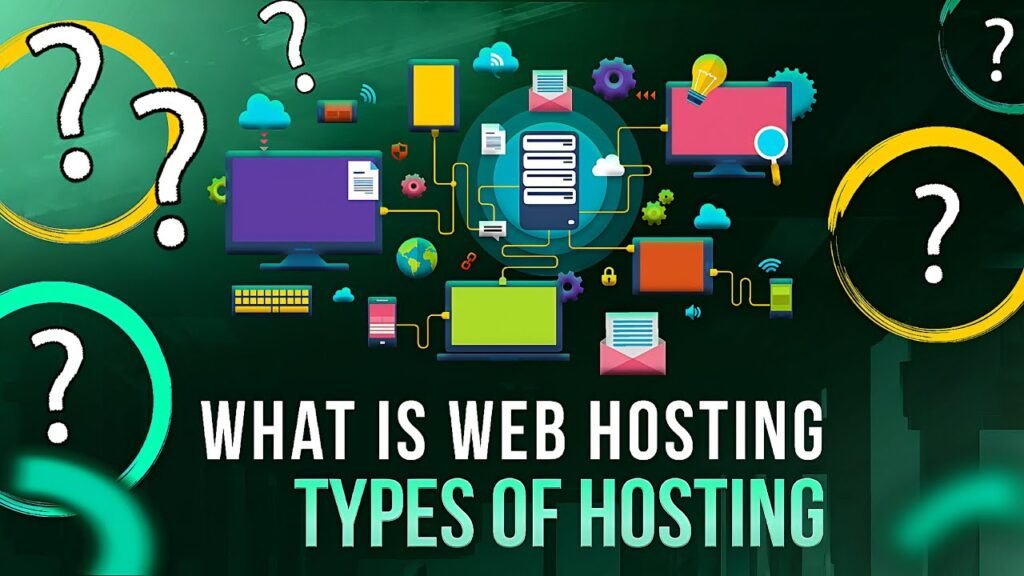
There are different types of hosting designed for different needs. Choosing the right one depends on your website size, traffic, and purpose.
1. Shared Hosting
Shared hosting is the most common and affordable type of hosting. In this setup, multiple websites share the same server and its resources.
Advantages:
- Low cost
- Easy to use
- Beginner-friendly
- No technical knowledge required
Disadvantages:
- Limited performance
- Slower speed if other websites use too many resources
- Less control
Best for:
Beginners, personal blogs, small business websites, and portfolios.
2. VPS Hosting (Virtual Private Server)
VPS hosting divides a single physical server into multiple virtual servers. Each website gets dedicated resources.
Advantages:
- Better performance than shared hosting
- More control and customization
- Scalable resources
Disadvantages:
- More expensive than shared hosting
- Requires some technical knowledge
Best for:
Growing websites, medium-sized businesses, and developers.
3. Dedicated Hosting
Dedicated hosting provides an entire physical server for a single website.
Advantages:
- Maximum performance
- Full control over the server
- High security
Disadvantages:
- Very expensive
- Requires advanced technical skills
Best for:
Large businesses, high-traffic websites, and enterprise-level projects.
4. Cloud Hosting
Cloud hosting uses multiple servers working together. If one server fails, another takes over.
Advantages:
- High reliability
- Excellent scalability
- Pay-as-you-use pricing
Disadvantages:
- Can become expensive
- Slightly complex for beginners
Best for:
Websites with fluctuating traffic and growing businesses.
5. Managed Hosting
In managed hosting, the hosting provider handles technical tasks such as updates, security, and backups.
Advantages:
- Less technical responsibility
- Better performance optimization
- Strong security
Disadvantages:
- Higher cost
- Limited customization
Best for:
Business owners who want to focus on content rather than technical tasks.
What Is Bandwidth and Storage in Hosting?
When buying hosting, you will often see terms like bandwidth and storage.
Storage
Storage refers to the amount of disk space available to store your website files such as images, videos, and databases.
Bandwidth
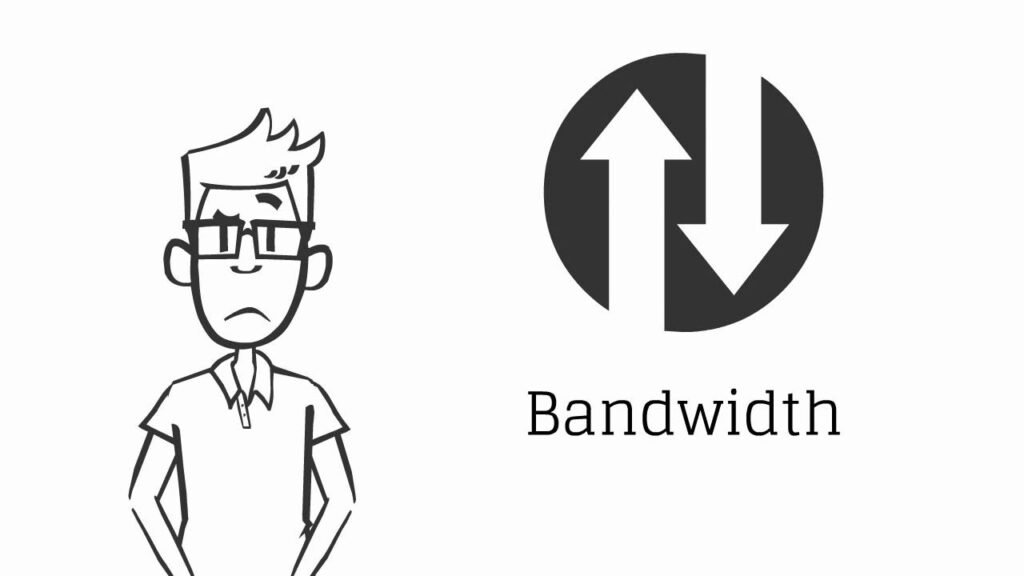
Bandwidth refers to the amount of data transferred between your website and visitors. High-traffic websites require more bandwidth.
Choosing the right balance is important to avoid slow loading or extra charges.
How to Buy Web Hosting (Step-by-Step)
Buying hosting is simple if you follow the right steps.
Step 1: Understand Your Website Needs
Ask yourself:
- Is it a blog, business website, or online store?
- How many visitors do you expect?
- Do you need special features?
This will help you choose the right hosting type.
Step 2: Choose a Hosting Provider
Look for a provider that offers:
- Good uptime guarantee
- Fast server speed
- Reliable customer support
- Positive user reviews
Avoid choosing only based on low price.
Step 3: Select a Hosting Plan
Choose a plan based on:
- Storage size
- Bandwidth
- Number of websites allowed
- Email accounts
- Free SSL certificate
Step 4: Choose a Domain Name
You can either:
- Buy a new domain
- Use an existing domain
Many hosting providers offer a free domain for the first year.
Step 5: Complete Payment
Hosting plans are usually available on:
- Monthly
- Yearly
- Multi-year basis
Longer plans are cheaper in the long run.
Step 6: Set Up Your Website
After payment:
- Log in to your hosting control panel
- Install a website platform or upload files
- Connect your domain
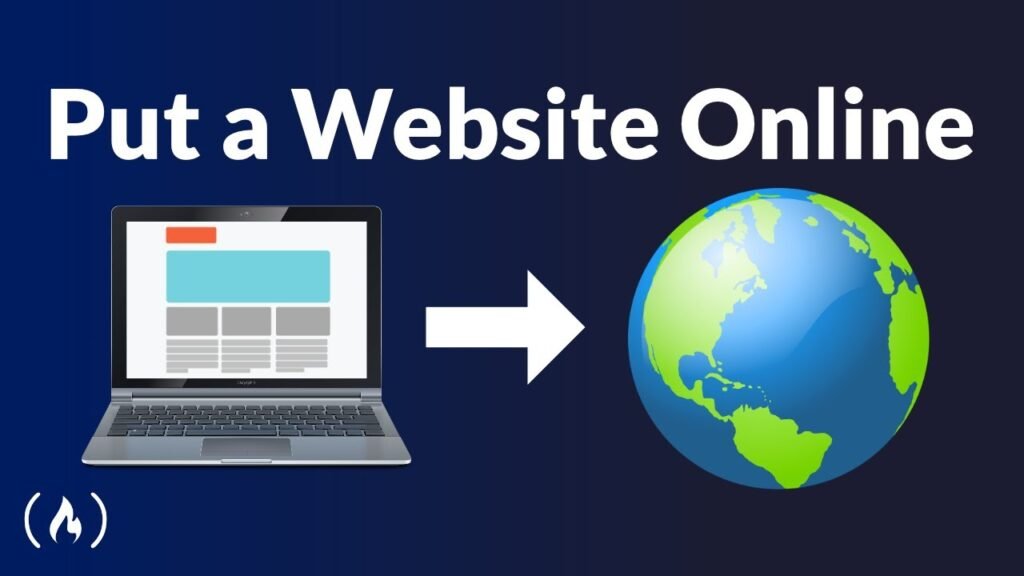
Your website is now live.
Common Hosting Features Explained
Control Panel
A dashboard that allows you to manage files, emails, domains, and settings easily.
SSL Certificate
Encrypts data between users and the website, improving security and trust.
Email Hosting
Allows you to create professional email addresses using your domain name.
Backups
Automatic backups protect your website from data loss.
Customer Support
Good hosting provides 24/7 support through chat, email, or phone.
Mistakes to Avoid When Buying Hosting
- Choosing the cheapest plan without checking performance
- Ignoring renewal prices
- Not checking customer support quality
- Buying more resources than needed
- Skipping security features
Making informed decisions saves time and money.
Hosting vs Domain: What’s the Difference?
Many beginners confuse hosting with domain names.
- Domain: Website address (example.com)
- Hosting: Storage space where website files are kept
Both are required for a website to work properly.
Who Needs Web Hosting?
Web hosting is required by:
- Bloggers
- Business owners
- Online stores
- Freelancers
- Educators
- Content creators
- Developers
If you want your content visible on the internet, hosting is essential.
Future of Web Hosting
Web hosting is continuously evolving. New technologies are improving speed, security, and reliability. Cloud-based systems, automation, and better server management are shaping the future. As online presence becomes more important, hosting will continue to be a key part of digital growth.
Conclusion
Web hosting is the foundation of every website. Without it, your website cannot exist on the internet. Understanding hosting helps you make better decisions, avoid common mistakes, and build a strong online presence.
Whether you are starting a blog, launching a business, or creating an online store, choosing the right hosting service plays a crucial role in your success. Take time to understand your needs, compare options carefully, and invest in reliable hosting.
A good hosting choice is not an expense—it is an investment in your digital future.