In today’s digital world, data has become one of the most valuable resources. From personal photos and videos to important business documents, everything is now stored in digital form. As data grows every day, traditional storage methods like hard drives, pen drives, and local servers are slowly becoming outdated. This is where cloud storage comes in.
Cloud storage has changed the way people store, access, and share data. It allows users to save files on remote servers and access them anytime from anywhere using the internet. This article explains cloud storage in simple words, how it works, its types, advantages, disadvantages, security aspects, and why it is important in modern life.
What Is Cloud Storage?
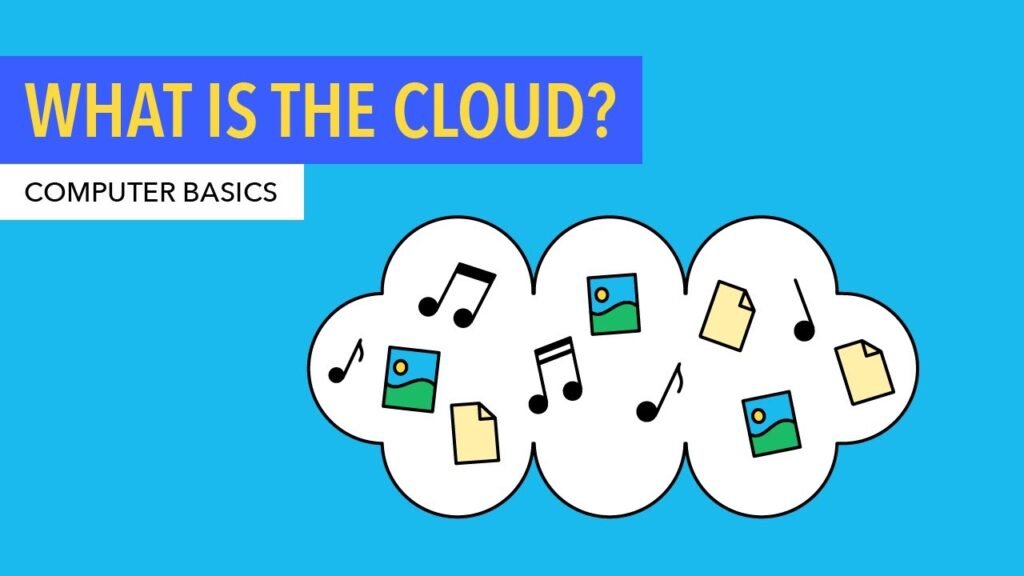
Cloud storage is a technology that allows users to store data on online servers instead of physical storage devices. These servers are maintained by data centers located in different parts of the world. When you upload a file to the cloud, it is stored on these remote servers rather than on your computer or phone.
You can access your data using the internet through a web browser, mobile app, or desktop application. Cloud storage eliminates the need to carry physical storage devices and protects data from hardware failure.
How Cloud Storage Works
Cloud storage works through a simple process:
- Data Upload
A user uploads files from a device such as a computer, smartphone, or tablet to the cloud using the internet. - Remote Storage
The uploaded data is saved on multiple servers in secure data centers. These servers are managed by cloud service providers. - Data Synchronization
The same data is synchronized across devices, so when you update a file on one device, the changes appear on all connected devices. - Data Access
Users can access their stored files anytime by logging into their cloud account.
Most cloud platforms also create backup copies of data, which helps protect files from accidental deletion or system failure.
Types of Cloud Storage
Cloud storage is generally divided into three main types based on usage and ownership.
1. Public Cloud Storage
Public cloud storage is offered to multiple users over the internet. It is cost-effective and easy to use. Users only pay for the storage they need. This type is commonly used by individuals, students, and small businesses.
2. Private Cloud Storage
Private cloud storage is designed for a single organization. It offers better control, privacy, and security. Large companies and enterprises prefer private cloud storage to protect sensitive data.
3. Hybrid Cloud Storage
Hybrid cloud storage combines public and private cloud systems. Important data is stored on private servers, while less sensitive data is stored on public cloud platforms. This model offers flexibility and cost efficiency.
Key Features of Cloud Storage
Cloud storage provides several useful features that make it popular worldwide.
- Remote Access – Access files from any location
- Automatic Backup – Data is saved automatically
- Scalability – Storage can be increased or decreased easily
- File Sharing – Share files with others instantly
- Version Control – Restore older versions of files
These features make cloud storage suitable for both personal and professional use.
Advantages of Cloud Storage
Cloud storage offers many benefits compared to traditional storage methods.
1. Accessibility
One of the biggest advantages is accessibility. You can access your files anytime and anywhere as long as you have an internet connection. This is extremely useful for remote work and online collaboration.
2. Cost Efficiency
Cloud storage reduces the need to buy physical hardware. Users do not need to invest in expensive servers or maintenance. Most services offer flexible pricing plans.
3. Data Backup and Recovery
Cloud platforms automatically back up data, which helps protect against accidental deletion, hardware damage, or system crashes. Recovery is fast and simple.
4. Scalability
As data grows, cloud storage can be expanded easily without replacing hardware. This makes it ideal for growing businesses.
5. Collaboration
Multiple users can access and work on the same files simultaneously. This improves productivity and teamwork.
Disadvantages of Cloud Storage
Despite its benefits, cloud storage also has some drawbacks.
1. Internet Dependency
Cloud storage requires a stable internet connection. Without internet access, files may not be available.
2. Security Concerns
Although cloud providers use strong security measures, online storage can still be targeted by cyberattacks if users do not follow proper safety practices.
3. Limited Control
Users do not have full control over the storage infrastructure since it is managed by service providers.
4. Subscription Costs
Free storage is limited. Large storage needs often require monthly or yearly subscription fees.
Cloud Storage Security Explained
Security is a major concern for cloud storage users. Modern cloud systems use advanced security methods to protect data.
- Encryption – Data is encrypted during transfer and storage
- Authentication – Passwords and two-step verification protect accounts
- Firewalls – Prevent unauthorized access
- Regular Audits – Systems are monitored continuously
Users can improve security by using strong passwords, enabling two-factor authentication, and avoiding public Wi-Fi for sensitive data.
Cloud Storage vs Traditional Storage
| Feature | Cloud Storage | Traditional Storage |
|---|---|---|
| Access | Anywhere | Limited to device |
| Backup | Automatic | Manual |
| Cost | Subscription-based | Hardware cost |
| Scalability | Easy | Difficult |
| Security | High with encryption | Depends on user |
Cloud storage clearly offers more flexibility and convenience than traditional storage methods.

Uses of Cloud Storage in Daily Life
Cloud storage is used in many areas of everyday life.
Personal Use
- Storing photos and videos
- Backing up mobile data
- Sharing files with friends
Education
- Online assignments
- Study materials
- Group projects
Business
- Data backup
- Team collaboration
- Remote work support
Media and Entertainment
- Music storage
- Video streaming
- Content creation
Importance of Cloud Storage in Modern Technology
Cloud storage plays a major role in modern technology. It supports digital transformation, remote work culture, online education, and mobile computing. Many online services and applications depend on cloud infrastructure to function smoothly.
As technology advances, cloud storage is becoming faster, more secure, and more reliable. It allows businesses to focus on growth instead of managing physical servers.
Future of Cloud Storage
The future of cloud storage looks very promising. With improvements in internet speed, data security, and storage technology, cloud systems will become even more efficient.
Trends such as automated backups, smart data management, and better encryption methods will make cloud storage safer and easier to use. As more people move towards digital lifestyles, cloud storage will continue to grow in importance.
Final Thoughts
Cloud storage has become an essential part of the digital world. It offers a simple, flexible, and secure way to store and manage data. Whether you are an individual user or a business owner, cloud storage provides convenience that traditional storage methods cannot match.
By understanding how cloud storage works and using it responsibly, users can protect their data, improve productivity, and stay connected in an increasingly digital environment.